Control Resonant: Remedy’s New Gameplay That Left Players Stunned
Remedy Entertainment has finally proven itself through Control Resonant’s gameplay. The Finnish studio has long been known for narrative strength in titles like Alan Wake and Quantum Break, while gameplay often played second fiddle. Control Resonant breaks that pattern.
The game officially launched for PlayStation 5, Windows, and Xbox Series X/S on September 24, 2026, with a macOS version to follow later in the year. Remedy serves as both developer and publisher, with Mikael Kasurinen in the director’s chair.
Combat Takes Center Stage
Critics consider Control Resonant’s combat system Remedy’s best gameplay achievement to date. Unlike the original Control, which relied on third-person shooter elements, this sequel shifts focus toward melee combat.
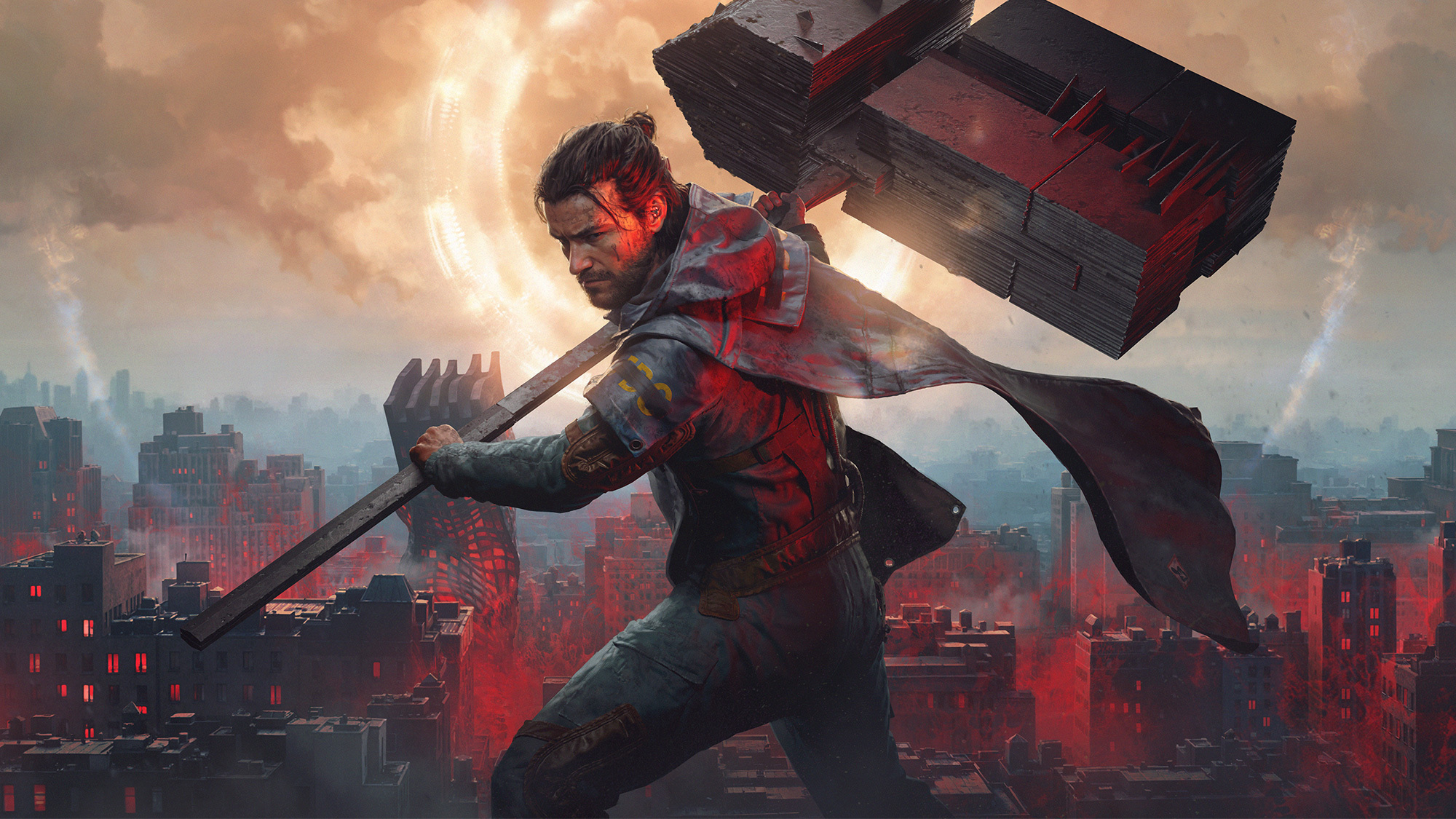
Players control Dylan Faden, a “parautilitarian” who previously appeared only as a supporting character in the first game. His main weapon, the Aberrant, can shapeshift into various armaments depending on the needs of battle. This shapeshifting mechanic adds tactical variety when facing extradimensional entities that have overrun Manhattan.
The Story: Seven Years After the Oldest House Incident
Control Resonant’s story unfolds seven years after the events of the first game. The Oldest House remains under siege from the Hiss, but now a new threat emerges: a second Altered World Event striking Manhattan.
Dylan is released from Federal Bureau of Control (FBC) custody to help contain the dangerous entity that has taken over the downtown area. Along the way, he also searches for his sister, Jesse Faden, the protagonist of the first game.
A Distorted Manhattan and the Northlight Engine
The Northlight Engine, Remedy’s in-house engine, serves as the backbone of the game’s visuals. The deeper players venture into the main story, the more the development team’s artistic ambition shows. This version of Manhattan appears warped and distorted, with scenes of the city folding in on itself reminiscent of Inception.
Enemy design and boss battles have also earned praise for their scale and detail. That said, the complexity of exploration areas can leave players lost at times, partly because the map system doesn’t always help with navigation effectively. A similar issue plagued the original Control.
How Long Does It Take to Beat?
For those curious about playtime, GameSpot reports players need roughly 30-35 hours to complete the main story plus some side missions on standard difficulty. That number can climb higher for players aiming to finish every side mission available.
By combining deeper combat gameplay while preserving Remedy’s signature strangeness, Control Resonant delivers a fresh action role-playing experience without losing the franchise’s identity.