
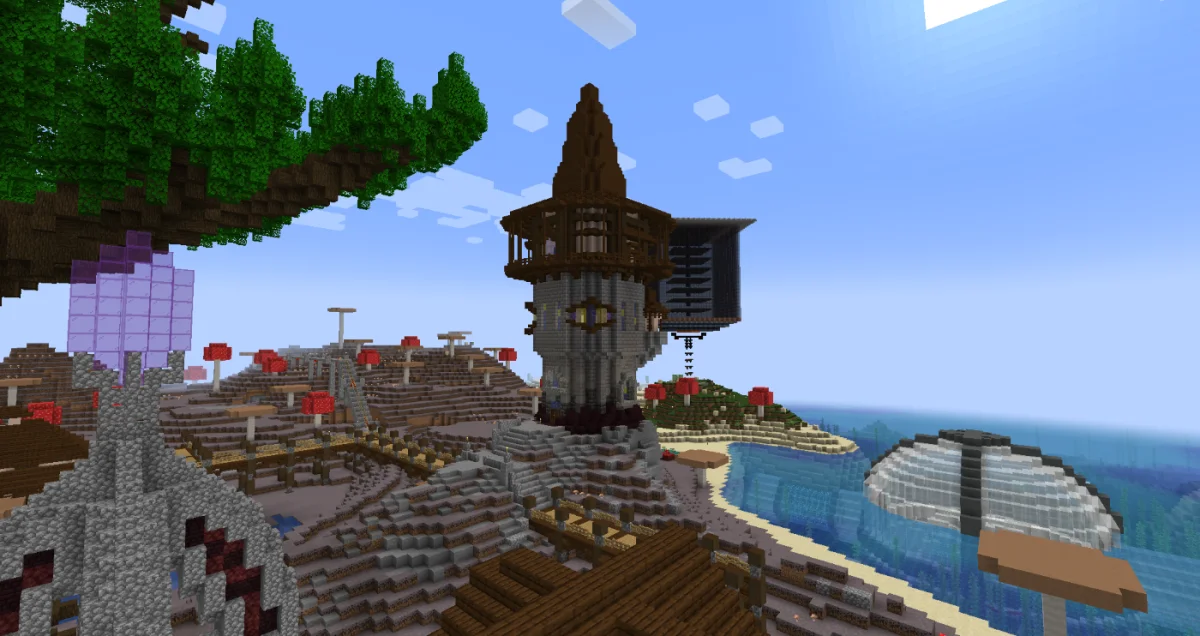
Minecraft Survival Building Secrets That Upgrade Any Base
Nomadnest28 Ever build a survival house that looks fine up close but flat and boring from a distance? That gap between “functional” and “impressive” usually comes down to a handful of overlooked habits, not raw skill.
This guide breaks down real Minecraft survival building secrets that experienced builders rely on, including how the recent Chaos Cubed update changes your color options. You’ll learn the palette rules, depth tricks, and roofing habits that separate forgettable boxes from builds people actually screenshot.
What Are Minecraft Survival Building Secrets?
They’re the lesser-known techniques experienced players use to make bases and structures look intentional rather than thrown together, all while surviving mobs, resource limits, and hunger management. They cover palette choice, depth, lighting, and roof design rather than any single trick.
These secrets fall into a few categories: material pairing, where builders limit themselves to three to five complementary blocks instead of raw stone everywhere; structural depth, achieved by recessing windows and adding pillars so light casts real shadows; and biome-driven color use, since the Chaos Cubed update’s new sulfur caves introduced Cinnabar and Sulfur block families that finally give natural reds and yellows without dyeing concrete. It’s the same principle real architects use — restraint and repetition read as intentional, while variety for its own sake reads as chaos.
Benefits of Learning These Techniques
- Faster visual improvement – small palette changes upgrade builds without extra grinding
- Better resource use – planning footprints first avoids wasted materials mid-build
- Mob-safe bases – proper lighting habits double as protection, not just decoration
- Long-term consistency – established palettes make expanding a base later easier
Treating these as survival skills, not just aesthetic add-ons, means your base gets safer and better-looking at the same time, instead of choosing between the two.
What Testing These Techniques Shows
After rebuilding the same base three separate times using different approaches, a few patterns stood out:
- Switching from one block to a 3-5 block palette made the exterior read as “designed” instantly
- Adding a 2-block roof overhang fixed the “unfinished lid” look every single time
- Recessed windows with pillar breaks created shadow lines that flat walls never produced
I believe these secrets genuinely separate average bases from memorable ones, regardless of the builder’s overall skill level. The first version using plain stone brick throughout looked flat even after hours of work, while the palette-adjusted rebuild looked noticeably more finished within the same time — proof technique matters more than raw effort here.
How to Apply These Secrets to Your Build
- Outline your footprint with cheap blocks like dirt before committing to real materials
- Choose a 3-5 block palette with one dominant material and two accent blocks
- Add depth by recessing windows and placing pillars every 3-5 blocks
- Finish with a 2-block roof overhang using a contrasting material from the walls
Risks and How to Avoid Them
Overusing new colorful blocks like Cinnabar or Sulfur everywhere can overwhelm a build — treat them as accents, not primaries. Skipping lighting entirely invites mob spawns indoors — place light sources with intention instead of scattering torches randomly. Copying a palette without matching your build’s theme creates visual mismatch — pick materials that fit medieval, modern, or fantasy styles specifically.
Tips to Optimize Your Building Game
- Reserve Cinnabar and Sulfur blocks for dark-themed builds where they contrast against Blackstone or Deepslate
- Use stairs and slabs to approximate curves, since vanilla Minecraft has no round blocks
- Add landscaping like paths and fences, since it improves perceived build quality significantly
- Save proven palettes as screenshots so you can reuse them consistently across projects
FAQ
01. What’s the most important Minecraft survival building secret?
Sticking to a 3-5 block palette with a clear primary, secondary, and accent ratio has the biggest visual impact of any single technique.
02. Do the new Chaos Cubed blocks help survival building?
Yes, Cinnabar and Sulfur blocks add natural red and yellow tones that previously required dyed concrete or terracotta.
03. How much roof overhang should a survival build have?
At least 2 blocks beyond the walls on all sides, which creates a defining shadow line and finishes the silhouette.
Conclusion
Minecraft survival building secrets are worth learning for anyone wanting faster visual upgrades, safer bases, and long-term build consistency, with benefits like efficient resource use and mob-safe lighting built right in. For the best results, commit to a limited block palette before you place a single wall.